Why Employees Value Recognition More Than Rewards (and What Leaders Get Wrong)

Employees value recognition more than rewards because recognition fulfills emotional and psychological needs in a way that money alone cannot. Having said that, this doesn’t mean rewards don’t matter. But if the order is wrong – reward first, recognition last – it can miss what actually motivates people.
Research shows that many employees would choose a workplace where they feel supported and valued over one offering solely more monetary benefits. A recent report on employee recognition and retention, for instance, found that nearly three-quarters of employees said they’d rather work in a job where they feel supported and valued over one with a 30% pay increase.
McKinsey has also reported that more than half of employee engagement is driven by nonfinancial recognition over cash-based incentives. There is one important caveat to all this: of course, money does matter. Fair pay and a living wage are table stakes: employees can’t focus on purpose or belonging if their basic financial needs aren’t met.
But once compensation feels fair, something shifts. The conversation moves from, “Am I being paid enough?” to “Do I matter here?” Understanding why employees value recognition as much, if not more than, rewards directly impacts everything from employee engagement and retention to overall business success. Here, we’ll unpack what many leaders misunderstand about motivation.
Recognition Vs. Rewards: What’s the Real Difference?
It’s easy to use these terms interchangeably, but there is an important difference between recognition and rewards.
What Is Employee Recognition?
Employee recognition is the act of acknowledging someone’s contributions or achievements in a meaningful way. It might look like:
- Public praise in a team meeting
- A note acknowledging someone’s impact
- Peer-to-peer recognition tied to company values
- A manager highlighting how a team member contributed to success
What Are Employee Rewards?
Employee rewards are tangible incentives given in response to performance. This often includes:
- Bonuses
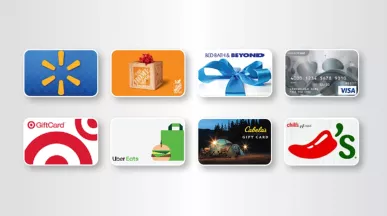
- Gift cards
- Merchandise
- Travel or experiences
- Awards tied to milestones
Both absolutely have value, but they don’t do the same thing. But first, here’s a breakdown of how to think about it:
|
Recognition |
Rewards |
|
Builds belonging |
Creates incentive |
|
Strengthens culture |
Drives performance goals |
|
Low cost, high emotional impact |
Higher cost, visible celebration |
|
Lasting effect |
Shorter motivational spike |
The real power lies in combining the two.
The Psychology Behind Why Recognition Matters (Sometimes More Than Money)
Money is essential because it provides security, supports families, reduces stress, puts food on the table, and a roof over your head. No recognition strategy can do that. However, once employees feel they’re being compensated appropriately, motivation shifts.
Recognition Meets Core Human Needs
When employees receive recognition, three essential psychological needs are fulfilled:
Belonging
Monthly recognition makes employees 2.5x more likely to feel a strong sense of belonging. Employees feel valued when their contributions are acknowledged publicly.
Purpose
Recognition ties individual efforts to organizational success. It helps team members see how their work contributes to something larger.
Identity
Being recognized strengthens an employee’s professional identity and signals that they matter. That’s why reports show that when employees feel appreciated, 81% report dramatically higher job satisfaction.
Why Rewards Without Adequate Recognition Lose Impact Over Time
Rewards often trigger what psychologists call hedonic adaptation. The first bonus feels exciting. The second feels expected. By the third, it’s just part of the job.
Employee awards, bonuses, and incentive payouts can certainly motivate employees in the short term. But when rewards become the primary driver of performance, motivation can slowly shift from purpose to payout.
Recognition reinforces meaning, while rewards reinforce transactions.
This is where many employee recognition programs unintentionally miss the mark. When recognition is reduced to points or monetary value, it loses the emotional connection that makes appreciation powerful.
The most effective employee recognition programs reflect this balance. The program will use rewards to celebrate achievement, but rely on meaningful acknowledgment to sustain motivation over time.
How Leaders Can Shift From Reward-Heavy to Recognition-Driven Engagement Programs
Most organizations don’t intentionally lean too heavily on rewards. It often happens gradually because, once budgets are allocated, employee awards are clear-cut. Recognition, on the other hand, can feel less structured, so it sometimes receives less attention.
But if the goal is sustainable employee motivation and engagement, leaders have to consider the balance. That doesn’t mean removing rewards to shift from rewards-heavy to recognition-driven, but it does require rethinking how the program may be structured. Recognition should be the foundation upon which rewards are given.
7 Principles of Effective Employee Recognition
- Make it timely
- Make it specific
- Tie it to company values
- Encourage peer-to-peer recognition
- Ensure fairness and transparency
- Keep it consistent, not occasional
- Pair recognition thoughtfully with rewards
When these key elements are woven into a formalized recognition program, appreciation becomes much more sustainable and part of everyday workplace dynamics. Here are a few ways to do that.
Train Managers To Recognize, Not Just Reward
Recognition doesn’t need to be elaborate. In fact, the best employee recognition ideas are often simple. A quick note after a tough week. Calling out someone’s contribution in a team meeting. Taking a moment to explain why their effort mattered.
When managers only step in to distribute points or approve an employee award, recognition becomes transactional because it can feel like the award celebrates the outcome, but not really the person behind it.
Teach managers how to recognize employees clearly and authentically as the first step to any rewards program. Doing so has a direct impact on employee morale and can shift the tone of the entire workplace.
Make Recognition Timely and Specific
Timing matters more than many people realize. Recognition that shows up months later in a formal monthly review loses some of its impact, whereas acknowledgment right away helps reinforce the behavior.
Specificity matters, too. Make sure to include details about why the employee’s contribution mattered and where it made a difference. Public recognition, when appropriate, often multiplies the positive impact, raising the individual up while also signaling to the team what success looks like.
Align Recognition With Values
Recognition is one of the clearest ways a company communicates what it truly values.
If only revenue wins attention, employees notice. If collaboration, creativity, integrity, and support go unrecognized, employees notice that, too.
When leaders intentionally align recognition with company values, it helps reinforce the behaviors that drive long-term success. That means celebrating results, but also how those results were achieved.
One simple way to do this is by explicitly naming the company value when you recognize employees, so there’s no ambiguity about what’s being reinforced.
Recognition and Rewards Work Best Together
This isn’t a debate about choosing recognition over rewards. It all matters: compensation, milestone awards, meaningful moments of recognition.
A well-earned reward can make a moment feel significant, but without meaningful recognition attached, rewards risk becoming routine. The key is sequencing and intention.
Start with recognition, then use rewards to reinforce it.
That’s exactly what Inspirus was designed to support. The employee recognition platform, with rewards built in, makes it easy to show appreciation to employees in real time and then reward them with gifts they’ll love. Inspirus helps organizations connect the “why” behind the achievement with the celebration itself, whether that shows up as peer-to-peer recognition, manager-driven shoutouts, or automated service awards.
Take a closer look at how meaningful recognition, supported by the right tools, can transform the way your team experiences work.


Related articles