What HR Technology Trends Are Shaping Employee Experience in 2026?
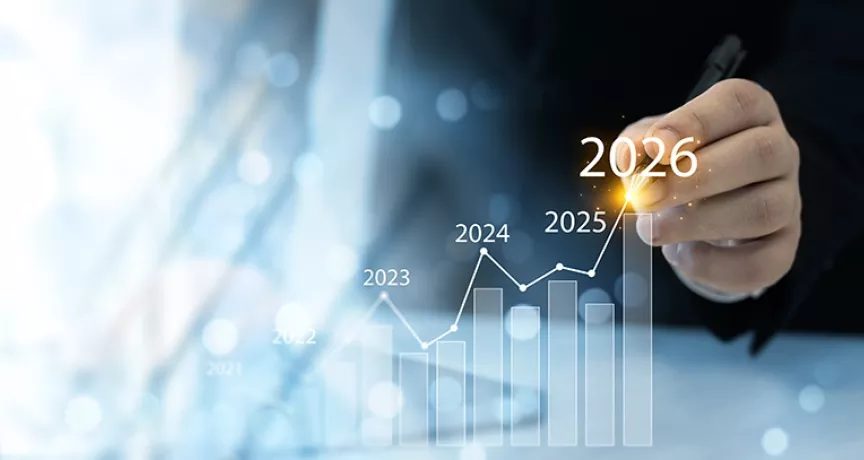
HR technology trends are reshaping how organizations design and support employee experience. In 2026, several emerging HR trends are influencing how companies understand employee needs, personalize workplace support, and build more connected work environments. From AI powered HR systems and predictive people analytics to skills-based workforce strategies and unified employee experience platforms, these HR technology trends are helping leaders make more informed decisions about how work is structured and supported.
At the same time, trends in employee listening, workplace wellbeing, and personalized development are helping organizations respond more quickly to workforce needs. Together, these HR trends highlight how technology is evolving from an operational tool into a key driver of employee experience, engagement, and workplace culture.
Explore the latest HR trends shaping employee engagement, workplace culture, and the future of work in the full HR Trends report.
Introduction to the HR Technology Trends Shaping Employee Experience
Employee experience has shifted from an HR initiative to a broader business priority. Organizations increasingly recognize that everyday work experiences shape engagement, retention, and performance.
Why Employee Experience Has Become a Strategic Priority
Employee experience refers to the full journey employees have within an organization. It includes hiring, onboarding, daily work, recognition, development opportunities, and career progression. Each interaction influences how employees perceive their workplace and whether they feel motivated to contribute their best work.
Research shows that organizations that invest in employee experience often see stronger engagement and productivity outcomes. Deloitte reports that companies are increasingly focusing on employee experience because it helps strengthen culture and improve organizational performance (Deloitte, Global Human Capital Trends).
Organizations often begin improving employee experience by identifying key moments in the employee journey, such as:
- onboarding and early career support
- career development conversations
- recognition and feedback
- collaboration and team culture
Mapping these experiences helps leaders design more supportive and consistent workplaces.
How Workforce Expectations Are Changing
Employee expectations around work have evolved significantly. Many employees now look for flexibility, opportunities to grow, and a sense that their work contributes to something meaningful.
Research from McKinsey suggests that factors such as career development, supportive leadership, and meaningful work often influence employee decisions to stay with or leave an organization (McKinsey, The Great Attrition).
Organizations are responding by designing workplaces that better support employee priorities. This often includes expanding development opportunities, improving communication between leaders and employees, and creating environments where people feel their contributions are recognized.
The Role of Technology in Shaping Modern Work
Technology increasingly shapes how employees interact with their work. Collaboration platforms, HR systems, and learning tools influence how information flows across teams and how employees access resources.
Gartner research shows that digital workplace tools can significantly influence productivity and employee engagement when implemented thoughtfully (Gartner, Future of Work Trends).
Organizations often focus on technologies that improve everyday work experiences, including:
- collaboration platforms for hybrid teams
- digital learning tools for skill development
- employee listening platforms for feedback
- analytics tools that provide workforce insights
When technology reduces friction and simplifies processes, employees can spend more time focusing on meaningful work.
Trend #1: AI Is Becoming the Foundation of HR Technology
Artificial intelligence is transforming many HR functions. From talent acquisition to workforce analytics, AI tools are helping organizations process data and uncover insights about employee experiences.
From Automation to Intelligent HR Systems
Early HR technology focused largely on automating administrative tasks such as scheduling interviews or processing payroll. Today, AI systems can analyze workforce data to help organizations make more informed decisions about hiring, development, and engagement.
Many organizations now use AI powered tools to review resumes, identify workforce trends, and support internal talent matching. Surveys show that AI adoption in HR continues to grow as organizations explore ways to improve efficiency and decision making (Business Insider reporting on Sapient Insights HR Systems Survey).
Organizations typically begin implementing AI in HR through practical applications such as:
- Automated resume screening
- AI supported employee surveys
- Workforce analytics dashboards
These early use cases help HR teams build familiarity with AI while improving operational efficiency.
How AI Is Personalizing the Employee Journey
AI also allows organizations to personalize employee experiences at scale. Instead of offering the same development opportunities to every employee, organizations can tailor support based on individual needs and career goals.
For example, AI driven learning platforms can recommend training based on an employee’s role, skills, and career interests. Analytics tools can also identify patterns in engagement data that highlight opportunities for growth or support (World Economic Forum, Future of Jobs Report).
Organizations that want to personalize employee experiences often start by connecting data across HR systems. When workforce insights are easier to access, HR teams can design programs that better support employees at different stages of their careers.
Balancing AI Efficiency with Human Oversight
AI can process information quickly, but human judgment remains essential in HR decision making. Many workforce decisions require context, empathy, and ethical considerations that algorithms alone cannot provide.
Studies examining AI supported hiring processes suggest that combining human review with algorithmic insights can help improve fairness and decision quality (ArXiv research on human AI recruitment collaboration).
Organizations can balance efficiency with oversight by establishing clear guidelines for how AI is used in HR processes. This may include human review for important decisions, transparency around how algorithms work, and training programs that help employees understand AI supported tools.
The Growing Need for Responsible AI in HR
As AI adoption increases, organizations are paying closer attention to responsible and ethical implementation. Employees want to know that algorithms influencing workplace decisions are fair and transparent.
Research suggests that employee trust in AI systems depends heavily on transparency and governance practices (ArXiv research on AI adoption and employee well being).
Responsible AI strategies often include several core practices:
- Clear data privacy policies
- Transparency about how algorithms are used
- Regular reviews of AI decision making processes
- These safeguards help organizations adopt AI while maintaining trust with employees.
Learn how organizations are using AI responsibly to make employee recognition more meaningful, consistent, and inclusive.
Trend #2: The Rise of Hyper Personalized Employee Experiences
Employees increasingly expect workplaces to recognize their individual needs and career goals. As a result, organizations are moving away from one size fits all HR programs.
Why One Size Fits All Programs No Longer Work
Traditional HR programs often applied the same policies and benefits to every employee. While this approach created consistency, it did not always address the diverse needs of a modern workforce.
Today’s workforce includes employees from multiple generations, career stages, and personal circumstances. These differences influence what employees value most in their workplace experience.
Organizations are therefore designing more flexible programs that allow employees to choose options that best support their goals and lifestyles.
See how organizations are adapting recognition strategies to better support a multigenerational workforce.
Using Data and AI to Tailor Employee Journeys
Workforce data helps HR teams better understand how employees experience work across departments and career stages. Engagement surveys, learning platforms, and analytics tools can reveal patterns that guide more personalized support.
For example, organizations may find that early career employees prioritize mentorship while experienced employees value leadership development opportunities.
These insights allow HR teams to tailor programs such as:
- Development pathways
- Learning recommendations
- Mentorship initiatives
When programs reflect employee needs more closely, participation and engagement often improve.
How Life Stage Personalization Improves Engagement
Employees experience many life changes during their careers. Events such as starting a family, pursuing education, or preparing for retirement can influence what employees need from their workplace.
Organizations that acknowledge these transitions often create stronger relationships with their workforce. Flexible benefits, learning opportunities, and supportive policies can help employees navigate these changes.
Leaders can support life stage personalization by offering adaptable programs and regularly gathering feedback from employees about what support would be most valuable.
Trend #3: Unified Employee Experience Platforms Are Replacing Fragmented Tools
Many organizations operate with multiple disconnected HR systems. Increasingly, companies are moving toward integrated platforms that create more consistent employee experiences.
The Problem With Disconnected HR Systems
Employees often interact with several systems to complete routine tasks such as accessing benefits information, requesting time off, or completing performance reviews. When these systems are disconnected, simple processes can become frustrating.
Fragmented systems can also make it harder for HR teams to analyze workforce data effectively. Important insights about engagement, retention, or development may remain scattered across multiple platforms.
Organizations are recognizing that simplifying digital workplaces can significantly improve the employee experience.
How Employee Experience Platforms Simplify the Workplace
Employee experience platforms aim to bring multiple HR functions together in a single digital environment. These systems often combine learning, communication, feedback, and development tools.
When systems are integrated, employees can complete tasks more easily and managers can gain clearer insights into their teams.
Organizations adopting these platforms often prioritize features such as:
- Simplified navigation
- Mobile accessibility
- Integrated workforce analytics
These improvements help employees spend less time navigating systems and more time focusing on their work.
Explore how Inspirus Connects helps organizations create a more connected employee experience across recognition, communication, and engagement.
What a Fully Integrated HR Technology Ecosystem Looks Like
A modern HR technology ecosystem connects multiple systems, so information flows smoothly across platforms. This allows employees to move between tools for learning, feedback, performance management, and communication without unnecessary complexity.
Integration also helps HR teams gain a clearer view of workforce trends. When systems share data, leaders can better understand connections between engagement, development, and retention.
Organizations building integrated ecosystems often focus on simplifying the employee experience. By reducing system fragmentation and improving data flow, HR teams can support employees more effectively across the entire employee lifecycle.
Trend #4: Predictive People Analytics Is Driving Smarter HR Decisions
HR leaders increasingly rely on workforce data to guide decisions about engagement, development, and retention. Predictive analytics tools help organizations identify patterns that influence employee outcomes.
Moving From Reactive HR to Predictive Workforce Insights
Traditional HR decisions often relied on historical reports or responding to issues after they had already developed. This reactive approach made it difficult for organizations to anticipate workforce challenges before they affected engagement or performance.
Predictive analytics tools allow HR teams to analyze workforce data and identify patterns that may signal future trends. These insights can highlight potential risks such as declining engagement, increased turnover, or emerging skill gaps.
By recognizing these patterns earlier, organizations can take proactive steps to support their workforce. This shift allows HR leaders to address potential challenges before they grow into larger problems.
Using Data to Identify Burnout, Attrition Risk, and Skill Gaps
Workforce analytics tools can highlight patterns that indicate potential challenges within teams. For example, rising workloads or declining engagement scores may signal early signs of burnout.
Identifying these trends early allows leaders to intervene before problems escalate. This might involve adjusting workloads, providing development opportunities, or improving communication.
Organizations often use analytics to monitor areas such as:
- Engagement trends
- Turnover risk
- Workforce skill gaps
These insights help leaders design more proactive workforce strategies.
How Real Time Insights Improve Employee Support
Real time insights allow organizations to better understand how employees are experiencing their work as it happens. Instead of relying only on historical data, leaders can monitor trends in engagement, workload, and feedback throughout the year.
Access to more current information helps managers respond to employee needs more quickly. For example, leaders may notice changes in engagement levels or feedback patterns that signal when additional support or communication is needed.
When organizations act on these insights, employees often feel more supported and heard. Timely responses to concerns can help strengthen trust and create a more responsive workplace environment.
Trend #5: Skills Based Talent Management Is Reshaping Career Development
Organizations are increasingly focusing on skills rather than job titles when planning workforce development. This shift reflects a broader HR trend toward building more adaptable workforces that can respond to changing business needs.
Why Skills Are Replacing Job Titles in Workforce Planning
Traditional workforce planning has often focused on job titles and fixed role descriptions. However, rapid changes in technology and business needs mean that the skills required for many roles are evolving quickly.
A skills-based approach focuses on the capabilities employees bring to their work rather than rigid job categories. Research shows that many organizations are moving toward skills based talent strategies that prioritize individual capabilities over traditional credentials to create a more agile workforce (Workday Research).
By prioritizing skills, organizations can adapt more easily to changing demands. This approach helps leaders match employees to new opportunities, support career development, and build a more flexible workforce.
How Technology Enables Internal Mobility and Upskilling
Learning platforms and internal talent marketplaces make it easier for employees to explore new opportunities within their organization.
These tools allow employees to discover projects, mentorship opportunities, or training programs that align with their interests and career goals.
Organizations supporting internal mobility often encourage employees to:
- Explore cross functional projects
- Participate in skill development programs
- Pursue mentorship opportunities
These experiences help employees grow while strengthening organizational capability.
The Future of Learning and Career Growth in AI Enabled Organizations
Continuous learning is becoming essential as technology reshapes many roles. Employees increasingly need opportunities to build new skills throughout their careers rather than relying only on occasional training programs.
AI powered learning platforms can help organizations recommend relevant courses and development opportunities. As the World Economic Forum notes, rapid advances in technology are expected to significantly change many job roles in the coming years, increasing the need for ongoing reskilling and upskilling across the workforce (World Economic Forum, Future of Jobs Report 2023).
By encouraging ongoing skill development, organizations can better prepare their workforce for future challenges. Creating a culture that supports curiosity, learning, and career mobility helps employees grow while strengthening the organization’s long-term capabilities.
Trend #6: Employee Well Being Technology Is Becoming a Business Imperative
Employee wellbeing has become an important part of workplace culture. Organizations are increasingly using technology to better understand and support the physical, mental, and emotional health of their workforce.
The Shift Toward Holistic Well Being Programs
Workplace wellbeing programs are expanding beyond traditional health benefits. Many organizations now recognize that employee wellbeing includes mental, emotional, and financial health in addition to physical wellness.
A more holistic approach reflects the many factors that influence how employees experience work. These programs often include resources such as:
- Mental health support and counseling services
- Flexible work arrangements
- Financial wellness education
- Wellness programs that encourage healthy habits
By taking a broader view of wellbeing, organizations can better support employees in their daily lives. Programs that address multiple aspects of wellbeing often help employees feel more supported and engaged at work.
How Technology Helps Detect Burnout and Support Mental Health
Technology can help organizations recognize early signs that employees may be experiencing stress or burnout. Engagement surveys, feedback platforms, and workforce analytics tools can reveal patterns that suggest when employees may need additional support.
For example, changes in engagement scores, increases in absenteeism, or shifts in employee feedback may indicate that teams are experiencing higher workloads or pressure. Surveys from the American Psychological Association show that a large share of employees report work related stress, highlighting the importance of tools that help organizations monitor wellbeing and respond early (American Psychological Association, Work in America Survey).
When organizations respond thoughtfully to these signals, technology can support healthier workplaces. Leaders may adjust workloads, improve communication, or connect employees with available wellbeing resources to help address challenges early.
Why Personalized Well Being Programs Drive Retention
Employees value workplaces that recognize their individual needs and challenges. Personalized wellbeing programs acknowledge that employees experience work differently depending on their responsibilities, life stage, and personal circumstances.
When organizations offer flexible wellbeing support, employees are more likely to feel understood and supported. Programs that address mental health, financial wellness, and work life balance can help employees manage stress and maintain healthier relationships with their work.
By providing resources that reflect real employee needs, organizations can strengthen engagement and loyalty. Employees who feel supported in their wellbeing are often more likely to remain with their organization over time.
Trend #7: Continuous Employee Listening Is Replacing Traditional Surveys
Organizations are expanding how they gather employee feedback. Continuous listening strategies provide more frequent insights into workforce experiences and help leaders respond more quickly to employee concerns.
Why Annual Engagement Surveys Are No Longer Enough
Annual surveys capture employee sentiment at a single moment in time. However, employee experiences can change quickly throughout the year.
Many organizations now complement annual surveys with more frequent feedback opportunities.
Examples include:
- Short pulse surveys
- Anonymous feedback channels
- Team level discussions
These methods help leaders understand workforce sentiment more consistently.
How Pulse Surveys and Sentiment Analysis Improve Feedback
Pulse surveys allow organizations to gather employee feedback more frequently without overwhelming employees. Instead of waiting for annual engagement surveys, leaders can check in regularly to understand how employees are feeling about their work.
Sentiment analysis tools can also help HR teams identify patterns in employee feedback. By analyzing written responses and survey data, these tools can highlight recurring themes related to workload, communication, or workplace culture.
Together, pulse surveys and sentiment analysis provide organizations with more timely insights. When leaders understand employee concerns earlier, they can respond more quickly and make adjustments that improve the overall employee experience.
Creating Real Time Dialogue Between Employees and Leadership
Continuous listening strategies are most effective when they support ongoing conversations between employees and leadership. Feedback tools can help organizations understand employee experiences, but their value depends on how leaders respond.
Managers play an important role in turning feedback into meaningful dialogue. Discussing survey insights with teams and acknowledging employee concerns can help employees feel that their voices matter.
Organizations that regularly share updates and involve employees in solutions often build stronger trust. When employees see their feedback leading to visible changes, they are more likely to continue participating in feedback programs.
Learn how leaders can turn employee feedback into stronger workplace communication in our Employee Recognition Playbook.
Trend #8: Technology Must Support Human Centered Work
While HR technology trends are transforming how organizations operate, technology alone cannot create a positive employee experience. Human connection, leadership, and recognition remain essential.
Why Technology Alone Cannot Improve Employee Experience
Technology can improve efficiency and simplify many workplace processes. However, tools alone cannot create a positive employee experience without strong leadership and supportive workplace practices.
Employee experience is shaped by everyday interactions with managers, teammates, and organizational culture. Factors such as recognition, communication, and trust often influence how employees feel about their work more than the systems they use.
When organizations combine thoughtful leadership with effective technology, they can create stronger workplace experiences. Technology works best when it supports human connection rather than replacing it.
Create thoughtful employee communications that strengthen connection and recognition with our Employee Message Creator.
Designing Work Around Real Employee Needs
Designing work around real employee needs means understanding how employees actually experience their day to day work. Processes, expectations, and tools should support productivity without adding unnecessary complexity or frustration.
Leaders can better understand these needs by gathering regular feedback and observing how work flows across teams. Research from Gallup shows that organizations that actively listen to employees and act on feedback are more likely to improve engagement and workplace performance (Gallup, State of the Global Workplace Report).
When organizations adjust workflows based on these insights, work becomes more manageable and meaningful. Designing work around employee needs can help improve engagement while allowing employees to focus on the tasks that matter most.
The Importance of Recognition Meaningful Work and Reciprocity
Recognition and meaningful work play a central role in how employees experience their workplace. When employees feel that their efforts are noticed and that their work contributes to a larger purpose, they are more likely to feel motivated and connected to their organization.
These experiences help strengthen relationships between employees and their workplace. Recognition from leaders and peers can reinforce positive behaviors, while meaningful work helps employees understand the value of their contributions.
Reciprocity also matters in strong workplace cultures. When organizations support employees through recognition, growth opportunities, and respect, employees are often more willing to invest their time, energy, and commitment in return.
Conclusion
HR technology trends will continue to evolve, but their purpose remains the same. The goal is not simply to automate processes, but to create workplaces where employees can do meaningful work and feel supported in their roles.
Many of the HR trends shaping employee experience in 2026 focus on using technology to better understand employees and respond to their needs. AI driven insights, unified experience platforms, predictive workforce analytics, and continuous listening tools can help organizations design more responsive and supportive work environments.
However, technology is most effective when it strengthens human connection rather than replacing it. When organizations combine thoughtful leadership, meaningful recognition, and well-designed technology, they can create employee experiences that help people feel valued, motivated, and supported throughout their careers.
Continue Exploring the Future of Employee Experience
For more insights into the trends shaping today’s workplace, explore our HR Trends Report for Q1 2026. If you're interested in strengthening culture through recognition, you can also learn more about our employee recognition program.


Related articles