How to Build an Employee Awards Program from Scratch: A Step-by-Step Guide

Countless moments of employee recognition happen almost invisibly, in private Slack threads or a quick word after a meeting wraps. Those interactions matter. But when they are isolated, the impact stops at one person rather than rippling through the organization.
A great employee awards program doesn’t replace those individual moments. But it does pull otherwise one-off interactions into the limelight and amplifies them, creating a culture where appreciation is consistent and tied to the work that actually drives the organization as a whole forward.
That’s why organizations with sophisticated recognition programs are 12 times more likely to have strong business outcomes, according to Deloitte. Similar studies by Gallup found that recognized employees report lower rates of burnout and disengagement.
Still, launching an awards program from scratch feels daunting. Where do you start? What should you recognize? How do you keep it running without burning out your HR team? This guide walks you through each step, from setting objectives to measuring long-term impact, so you can build a program that makes a difference.
Step 1: Define Your Goals
Clear objectives inform every decision that follows, from what gets celebrated to how you prove the program is working. Before you choose a platform or draft nomination criteria, identify what you are solving for.
Common starting points include:
- Reducing voluntary turnover and retaining top talent
- Ensuring employees feel appreciated in their day-to-day work, not just at annual reviews
- Reinforcing core values through recognition tied to specific behaviors
- Decreasing absenteeism and supporting overall productivity
Make your goals SMART: specific, measurable, attainable, relevant, and time-bound. For example, American Type Culture Collection launched an Inspirus rewards and recognition program with a focused retention goal, decreasing turnover by 10% in one year. White Castle increased employee engagement by 78% after implementing a structured, company-wide recognition program with Inspirus.
Outcomes like that happen in large part because someone defined success upfront and then built a program around it.
Step 2: Choose the Right Recognition Mix
Not every recognition moment looks the same, and it shouldn’t.
Any effective program layers multiple types of appreciation to reach every person on the team.
Formal recognition covers structured employee recognition awards like service awards, Employee of the Month, and performance-based honors for milestone achievements. These carry weight because they come with visibility and a tangible reward, signaling that the organization notices hard work and dedication at the highest levels.
Informal recognition happens in the flow of work, like a shout-out in a team meeting, a quick kudos through a digital platform, or a peer acknowledgment for going above and beyond on a project or with clients. It is the connective tissue of a healthy workplace culture and requires no committee or budget cycle.
Peer-to-peer recognition distributes the power of appreciation beyond the manager relationship. When colleagues celebrate each other's effort, it builds trust and belonging that top-down acknowledgment alone doesn’t create.
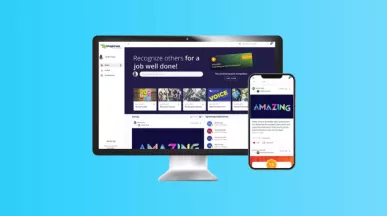
Inspirus makes it easy for every person on a team to give real-time recognition through a quick shout-out or a points-based reward, which can also introduce a healthy element of friendly competition around participation.
A hybrid approach tends to produce the strongest results. Here’s a quick recap of what each type of recognition can look like and what it’s best suited for.
|
Type of Recognition |
Example |
Best For |
|
Formal recognition |
Employee of the Month |
Visibility & prestige |
|
Informal recognition |
Manager shout-outs |
Day-to-day engagement |
|
Peer-to-peer recognition |
Team kudos |
Culture & collaboration |
Step 3: Set Clear Criteria and a Nomination Process
Fairness is the foundation of a program people actually trust. Gallup research shows only 26% of employees strongly agree they receive comparable recognition to peers for similar work. Perceived inequity quietly erodes the very engagement a program is designed to support.
Define observable, specific standards before launch. Something like "demonstrates our service values in client interactions" is far more actionable than "is a team player."
Nail down criteria like:
- Behaviors that reflect core values, such as collaboration or innovation
- Employee milestones like service anniversaries, project completions, and onboarding landmarks
- Contributions that directly affect business outcomes
- Peer-nominated efforts that leadership might otherwise miss
Decide on nominations, too. Open processes, where anyone can submit, surface contributions managers might miss. Manager-driven nominations add oversight for larger, more formal awards. Many organizations run both in parallel.
Step 4: Choose Meaningful Rewards
Rewards land well when they feel valuable and arrive promptly.
A generic gift card delivered weeks later sends a very different message than a thoughtful, timely reward tied to a specific moment. When recognition feels impersonal or delayed, it often loses impact.
Offering variety matters because your workforce is not one-size-fits-all. Some people value public celebration. Others prefer a private thank you or a development opportunity over a physical gift. The thank you gesture lands far more meaningfully when you reward employees in ways that reflect their individual preferences.
Inspirus offers a global rewards marketplace where employees select what genuinely resonates with them, removing the guesswork and keeping appreciation personal.
Step 5: Launch With Intention
A thoughtfully designed program will still underperform if the rollout is a quiet memo. Here’s how to set the right tone from day one:
- Announce company-wide through the channels your team actually uses
- Make it easy for employees to participate and access the program
- Equip managers with talking points and examples of what good recognition looks
- Recognize early adopters publicly to create momentum and build excitement
- Offer users incentives to drive initial participation
- Share recognition stories regularly in team meetings and internal communications
With Inspirus, a dedicated team helps guide configuration and launch communications from the start, so the program goes live optimized.
Step 6: Get Managers and Peers Involved
Recognition only transforms culture when it happens consistently in the day-to-day, not just at annual reviews or company milestones. ADP research found that employees are 2.7 times more likely to be fully engaged when their manager acknowledges them weekly compared to once a month or less.
Train managers to recognize employees in the moment and give them the tools to do it without friction. Dashboards in the Inspirus platform help managers see who has received appreciation recently and who has not, so no team member gets overlooked.
Peer participation matters just as much. When colleagues celebrate each other's dedication across departments, silos break down and a sense of belonging takes root that formal programs alone can’t match.
Step 7: Measure, Learn and Adjust
A strong program is a living one. The organizations that see lasting results treat theirs as a strategy to continuously refine. Key metrics to track:
- Participation rates: who is giving and receiving recognition across the organization
- Employee engagement survey scores over time
- Voluntary turnover and absenteeism trends
- Manager participation rates: how frequently leaders are acknowledging their teams
Revisit the program quarterly. Adjust criteria, introduce new employee milestones to celebrate, or refresh reward options based on what you learn.
Common Questions About Employee Recognition Programs
What is the easiest way to start from scratch?
Start with one or two focused goals and a simple recognition type. Peer shout-outs are the lowest-lift entry point and easy to create momentum around. Communicate clearly before launch. The right platform makes scaling significantly easier.
How often should awards be given?
Informal and peer recognition should flow continuously, as often as meaningful contributions occur. Formal awards like service honors or performance-based recognition can be presented monthly, quarterly, or annually. Timely recognition outperforms elaborate recognition that arrives late.
How do you keep a recognition and rewards program fair?
Publish criteria clearly, keep nomination channels open to peers and managers alike, and use platform data to audit distribution across teams.
What reward types work best?
Personal, timely, and proportionate to the contribution. A marketplace that lets people choose their own reward consistently outperforms standardized gifts. Pair tangible rewards with non-monetary acknowledgment, including public appreciation and growth opportunities, to build a program that resonates across a diverse workforce.
The Bottom Line
Getting this right doesn’t require a massive budget or a months-long rollout. You just need clarity on what you are building toward, consistency in how your team delivers appreciation, and a willingness to refine based on what you hear from your people.
Build something that lasts with Inspirus. Schedule a demo to see how Inspirus can help you design and optimize a program your workforce will actually feel.